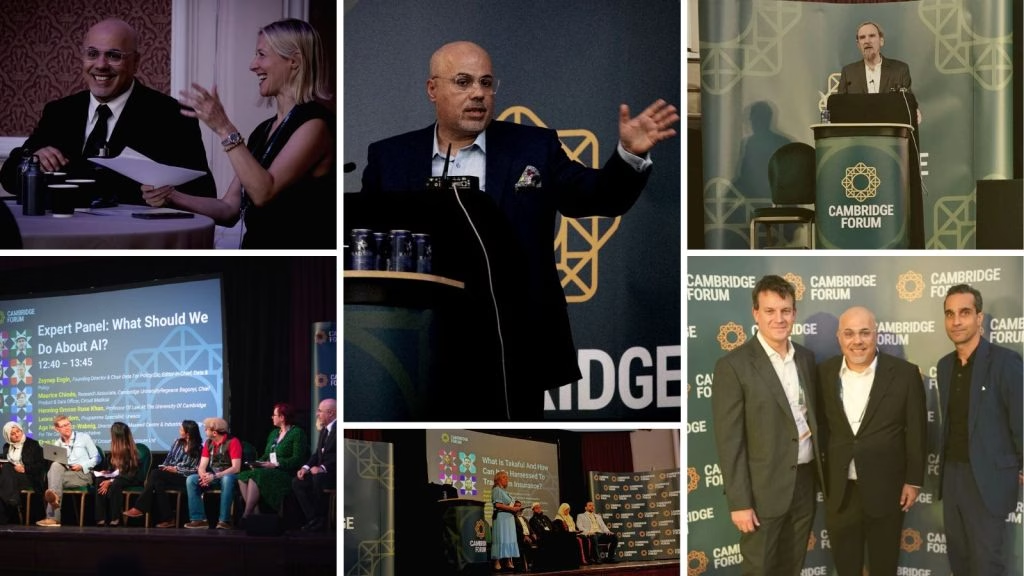
What An Incredible Two Days at the Cambridge Forum 2025
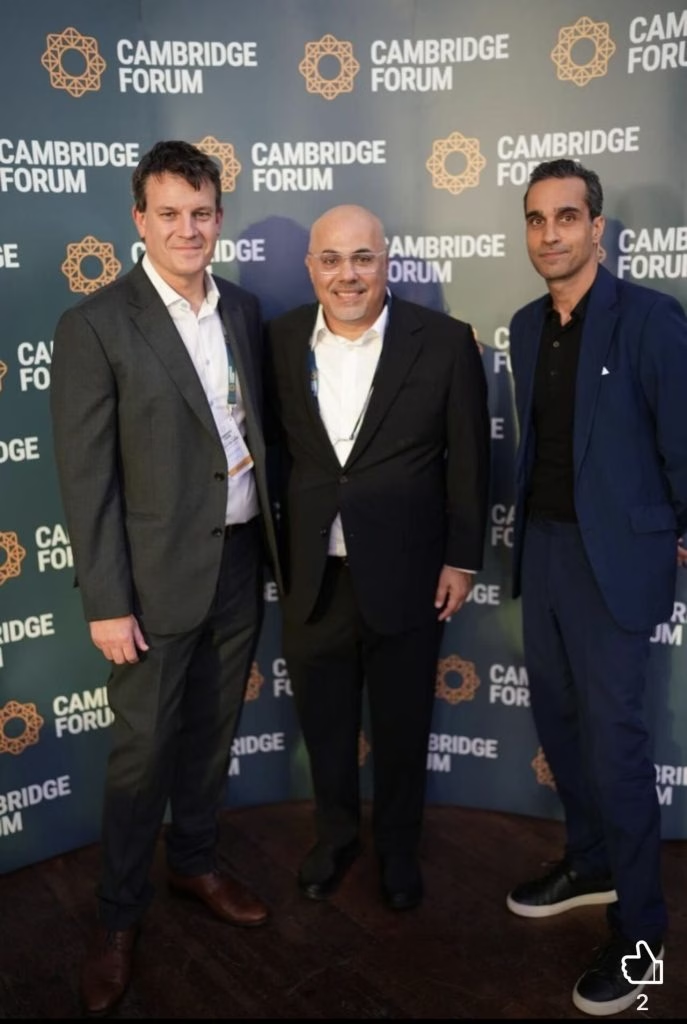
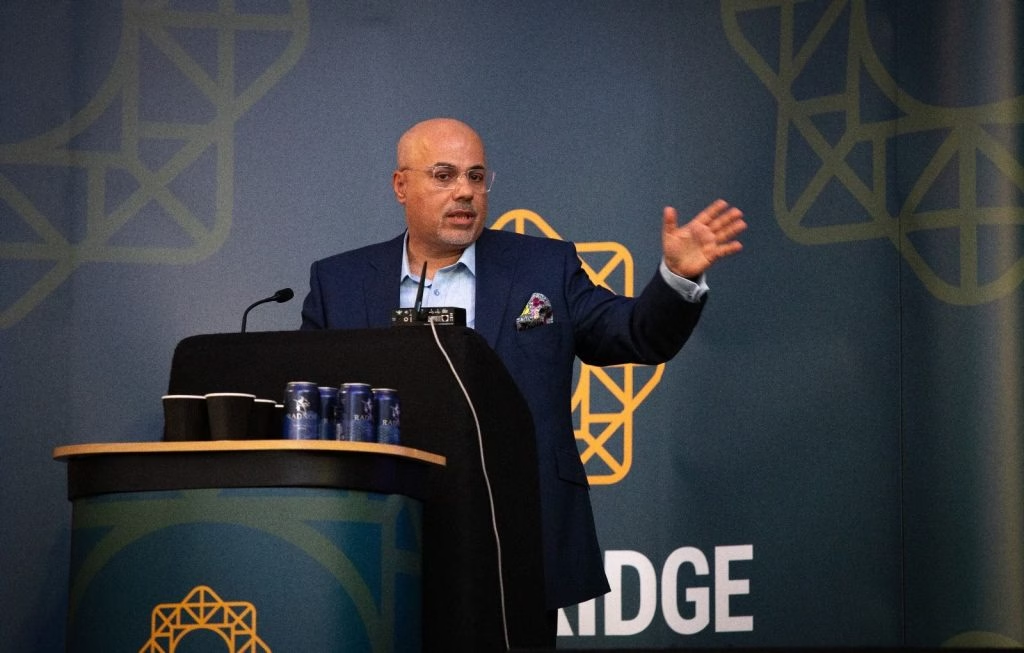
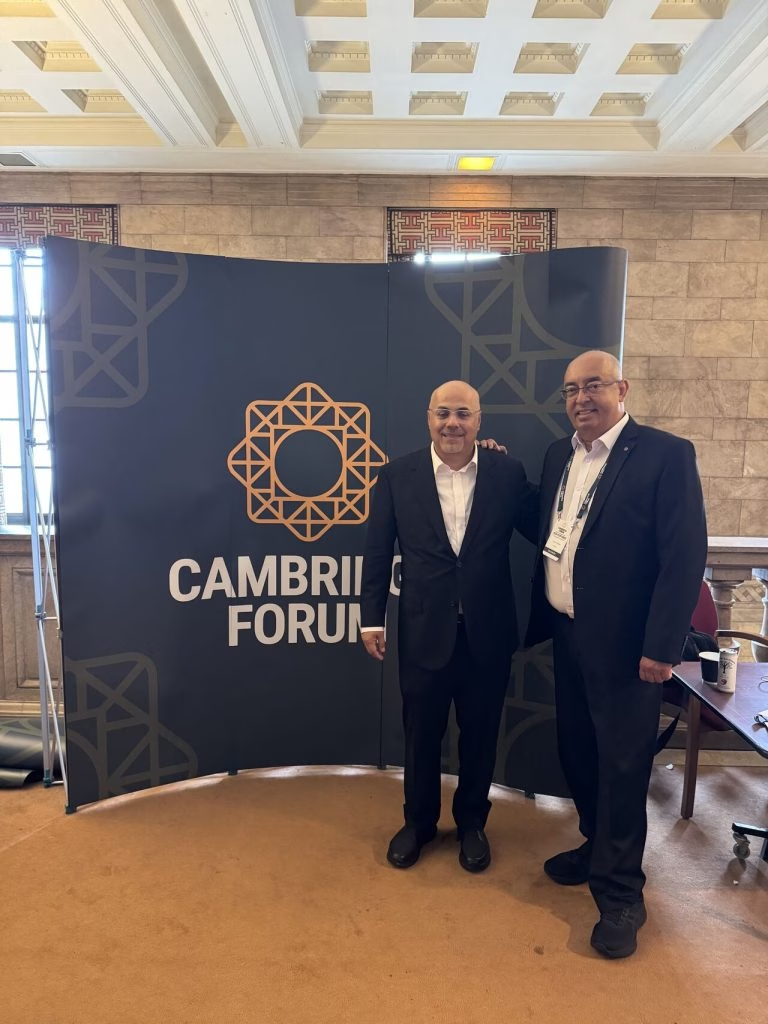
As the founder of this inaugural Forum, I am profoundly grateful to everyone who attended, participated, and helped bring our vision of Cambridge Forum to life. Together, we turned a dream into action, leveraging technology as a force for good.
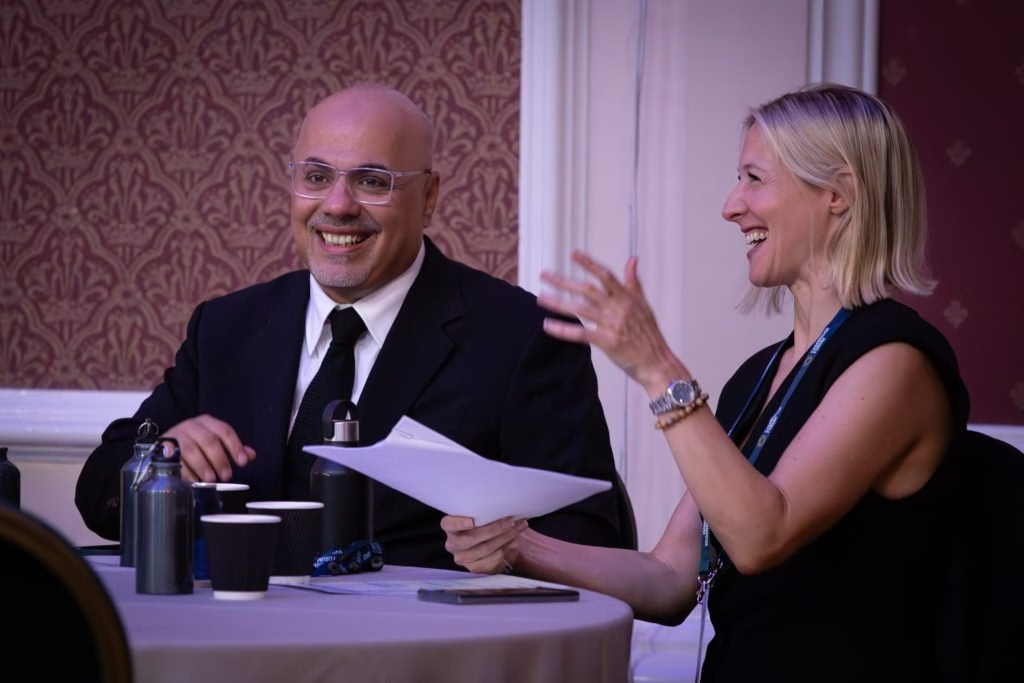
Some Important Highlights
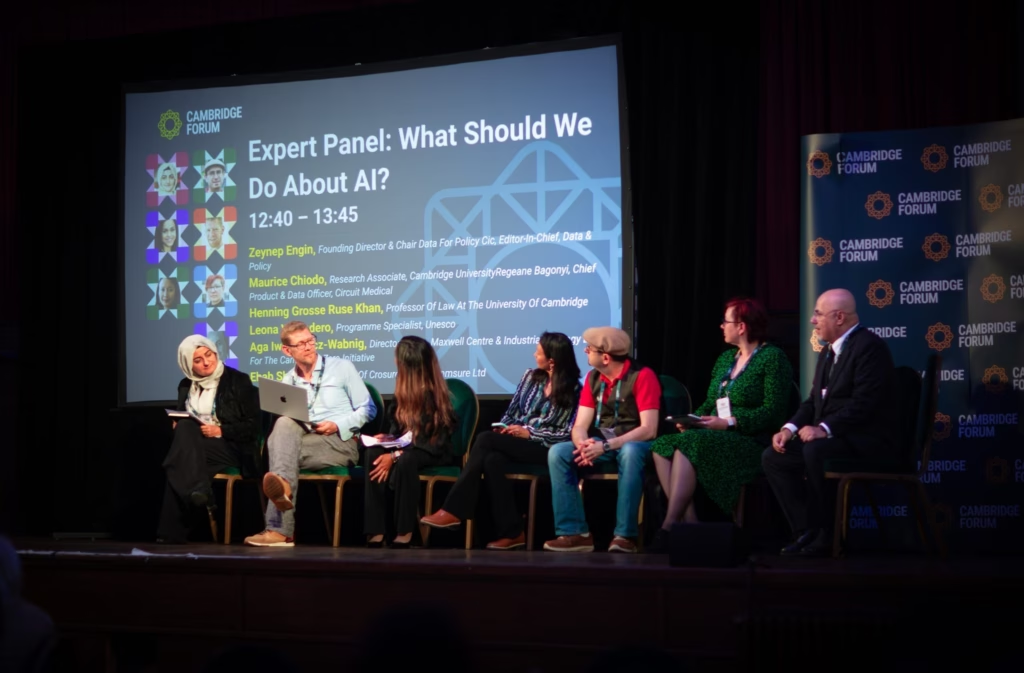
Expert Panel: What Should We Do About AI?
A landmark, action-oriented discussion with leading voices from across law, education, environment, employment, and human flourishing, culminating in four actionable recommendations for AI governance and public policy per panellist.
Expert Panel: Tech for Sustainability
A powerful conversation with Cambridge Zero, Google, Cambridge Institute for Sustainability Leadership (CISL), and Zeroute on how technology, including AI, can help combat climate change, protect biodiversity, and advance social equity.
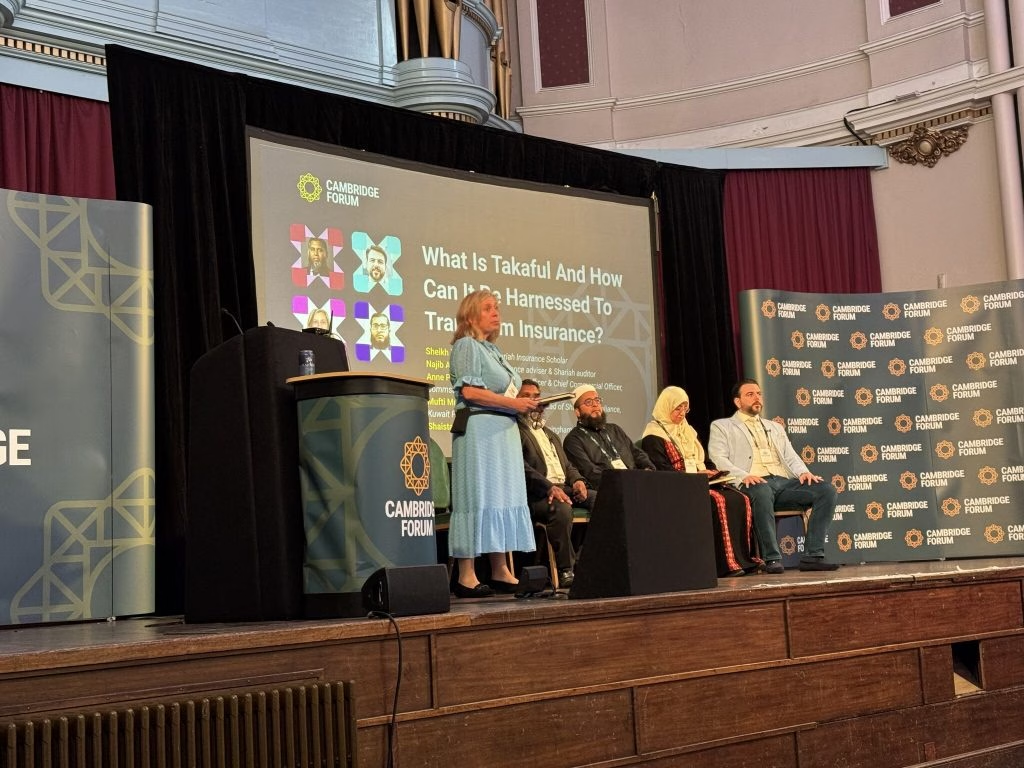
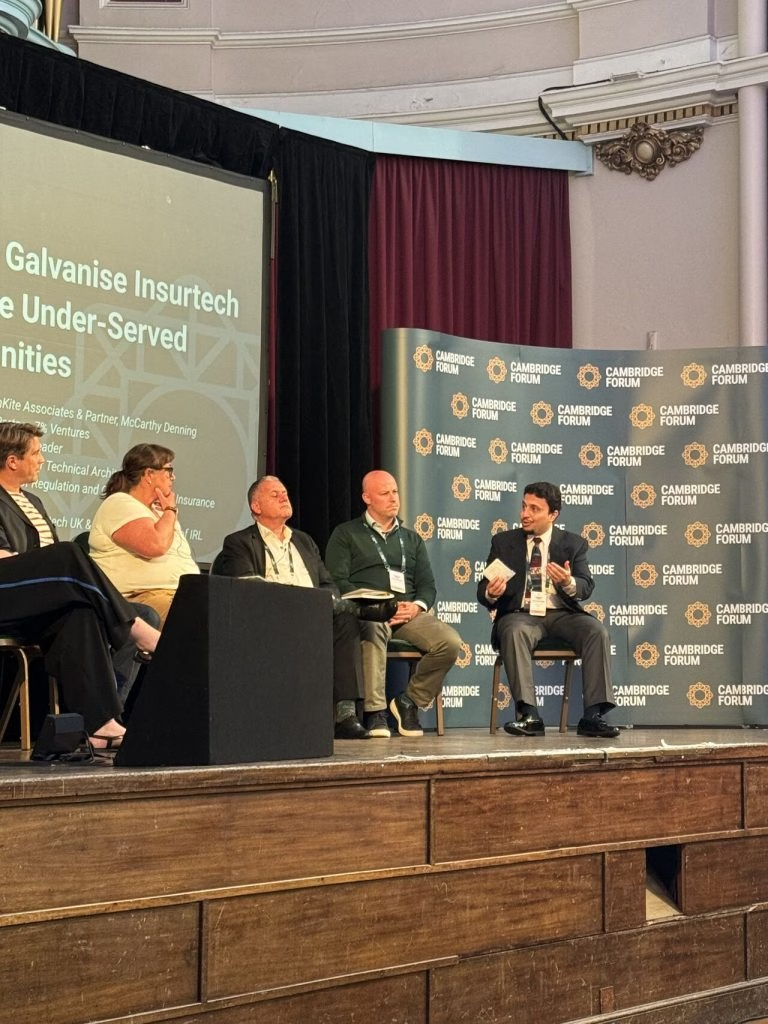
Expert Panel: How to Galvanise Insurtech to Serve Underserved Communities, led by Sara Ager. A vital exchange with leaders from FinTech, regulation, and embedded insurance, exploring how innovation can extend meaningful coverage to those most often excluded.
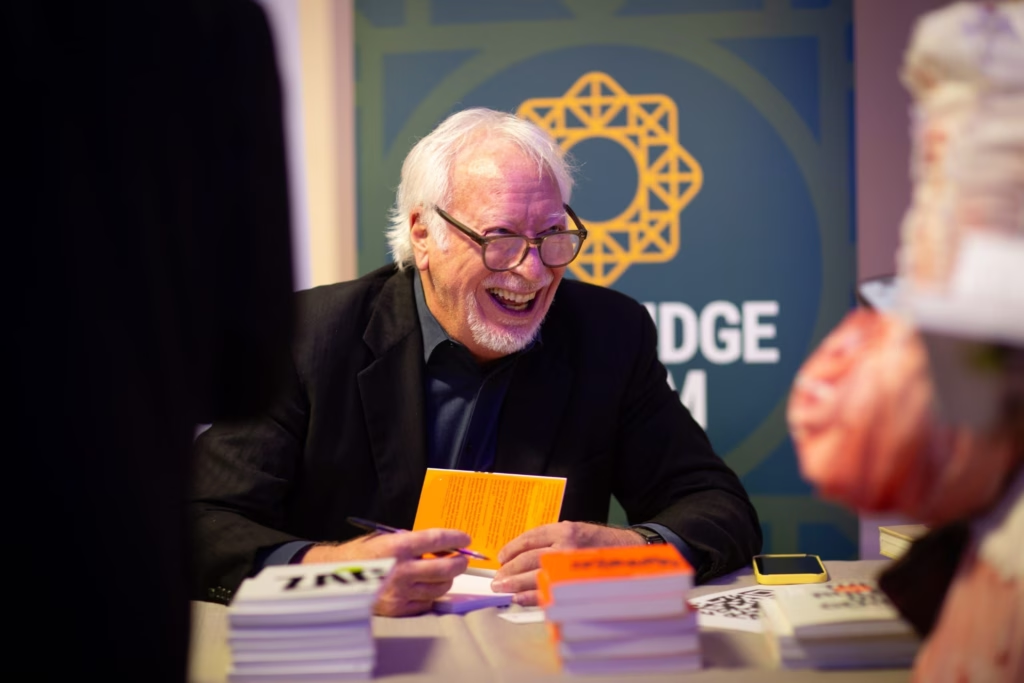
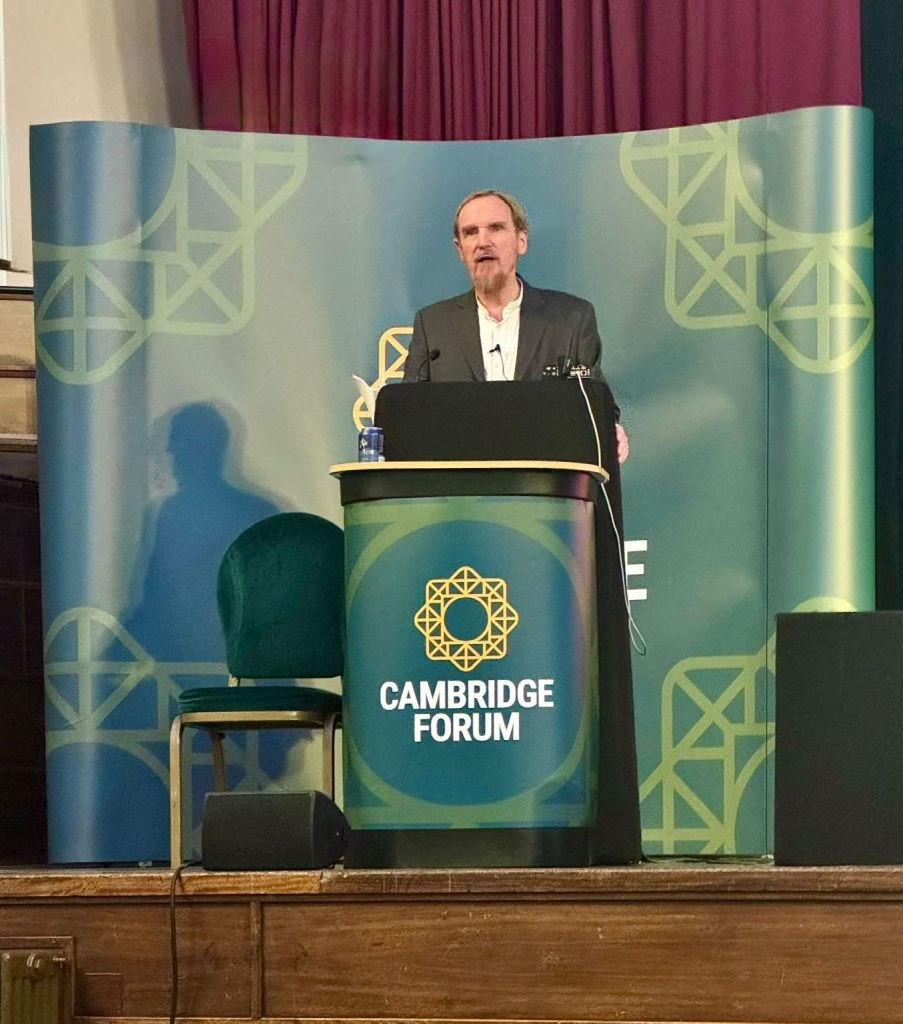
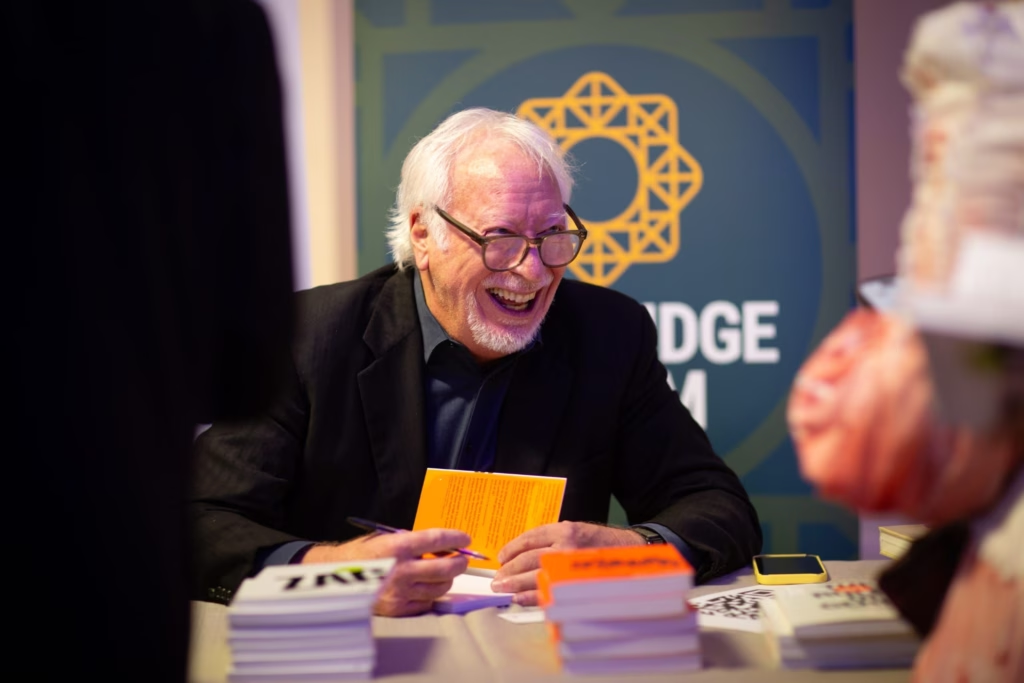
Workshop: Goodness as Corporate DNA, led by Marty Neumeier
Marty guided participants through crafting a Brand Commitment Matrix, helping shift brands toward purpose-driven meaning and customer co-creation. Marty’s talk and workshop resonated deeply, challenging us to embed “goodness” at the core of our organisations’ DNA.
A heartfelt thank you to Cambridge Network for believing in our mission and amplifying our reach, your support truly made a difference.
Hayat Sindi’s talk, “Living Through Innovation”, was both inspiring and grounding, showing us how social innovation and mindset shifts are indispensable to sustainable global change.
Tech for Good
One of the Forum’s most emblematic showcases was Onion.AI, a brilliant example of “tech for good.” Their presentation highlighted how generative AI can empower patients through personalised, jargon-free health education, bridging the health-literacy gap and transforming the patient-clinician dialogue.

Your dedication, creativity, and hard work made everything possible. I’d like to extend my deepest appreciation to:
Liz Nathan, Carrie-Anne Mercer, Dana Marat, Gabriel Murgu, al-Amjad Tawfiq Isstaif, Cyrine Makni, Mokhirbek Salimboev, Edward Salazar, Sienna Colletta, Jack Herbert Leen K., Prajwal Shrestha.
Thank you to every speaker, attendee, partner, and team member. Together, we’ve sparked meaningful conversations and laid the foundation for tangible, positive change.